
Chopta — The Most Underrated Hill Station in Uttarakhand
Meadows, temples, and Himalayan silence — India's Mini Switzerland is waiting.
01
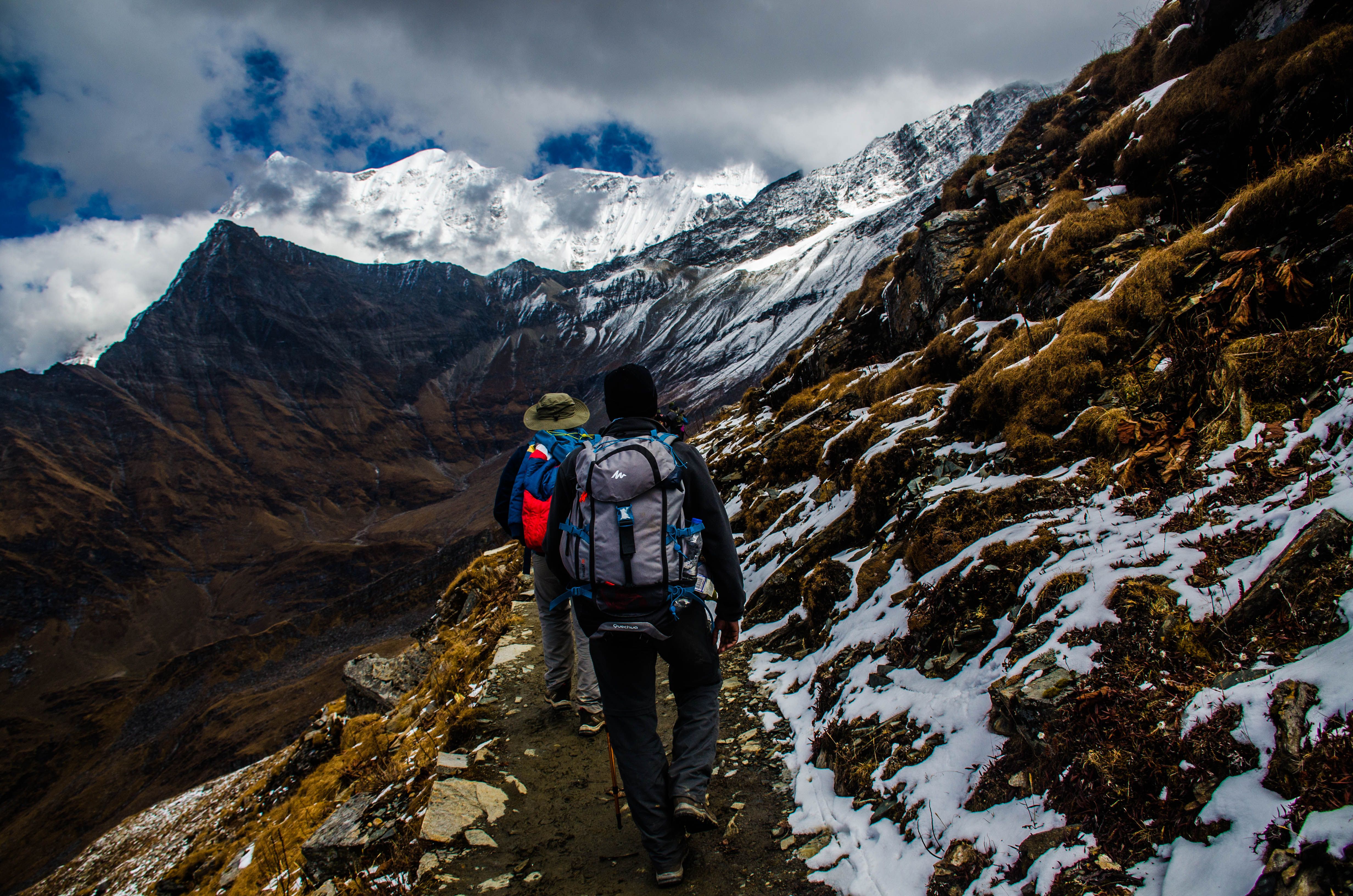
What is Chopta and Why It's Underrated
Location and how to reach Chopta
Chopta is a tiny hamlet tucked inside the Kedarnath Wildlife Sanctuary in Rudraprayag district, Uttarakhand, sitting at an elevation of around 2,680 metres (8,790 feet). Despite being one of the most scenic spots in the entire Garhwal Himalayas, it remains largely unknown outside trekking circles. The nearest major town is Ukhimath, roughly 35 km away, and the closest railway station is Rishikesh, about 200 km by road. From Delhi, the most practical route is an overnight bus or train to Rishikesh or Haridwar, followed by a shared taxi to Ukhimath and then onward to Chopta. The road journey from Rishikesh takes seven to nine hours depending on the season and road conditions. Private taxis can be hired from Rishikesh directly to Chopta for around ₹4,000–₹6,000.
Why it's called Mini Switzerland
The comparison to Switzerland is not hyperbole — it is earned. Chopta sits in the middle of vast rolling bugyals (high-altitude meadows) that stretch across the hillsides in vivid green from spring through summer, and transform into an immaculate white under winter snow. Dense forests of rhododendron, oak, and pine frame the meadows, and on clear days the backdrop is an unbroken wall of Himalayan peaks including Kedarnath, Chaukhamba, Neelkanth, and Trishul. The combination of open sky, gentle slopes, wildflowers, and snowy peaks produces a landscape that genuinely rivals the alpine meadows of the Alps — at a fraction of the cost and crowds.
Comparison with popular hill stations
Where popular hill stations like Manali, Shimla, and Mussoorie have been transformed by mass tourism — crowded malls, traffic jams, overpriced hotels, and a fading connection to nature — Chopta has remained largely untouched. There are no multi-storey hotels, no amusement parks, and no neon-lit markets. What it offers instead is authentic Himalayan wilderness: clean air, actual silence, wildlife (including musk deer and Himalayan monal pheasants), and the feeling of being genuinely far from the world. For travellers tired of overcrowded destinations, Chopta is the antidote.
Local insight
Chopta falls within a protected wildlife sanctuary, which means no large-scale construction is permitted — and that is precisely why it has stayed beautiful. Respect the environment and carry all waste out with you.
02
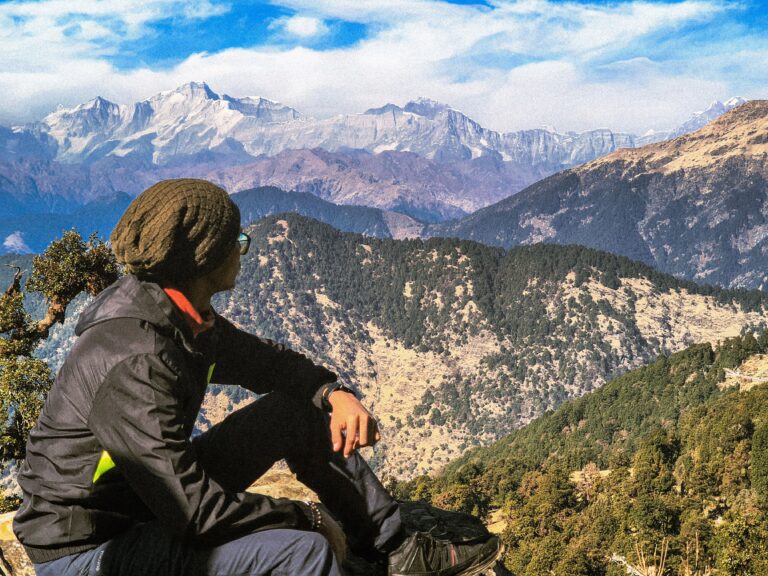
Top Things to Do in Chopta
Chopta is not a passive destination — it rewards those who explore it on foot. Here are the experiences that define a visit.
1. Tungnath Temple Trek — Highest Shiva Temple in the World
The trail to Tungnath begins right at Chopta and climbs 3.5 km through rhododendron forest and open meadows to the temple at 3,680 metres. Tungnath is the highest of the Panch Kedar temples and one of the most spiritually significant sites in the Himalayas. The stone temple, believed to be over 1,000 years old, sits against a backdrop of towering peaks and sky that makes even non-religious visitors go quiet. The trek takes 2–3 hours one way at a comfortable pace and is suitable for most fit adults. Combine it with the Chandrashila summit for a full and unforgettable day.
2. Chandrashila Summit — 4,000 Metres of Pure Sky
Just one kilometre beyond Tungnath temple lies the Chandrashila summit at 4,000 metres — a rocky peak that offers arguably the finest 360° Himalayan panorama accessible to non-mountaineers in all of Uttarakhand. From here, you can see Kedarnath, Badrinath, Kedar Dome, Trishul, Nanda Devi, and dozens of other peaks in one sweeping vista. The final push from the temple to the summit is steep and takes about 45 minutes, but the view from the top is worth every step. On a clear winter morning with fresh snow underfoot, this is one of the most extraordinary places you can stand in India.
3. Deoria Tal — Lake Camping Under the Stars
About 14 km from Chopta lies Deoria Tal, a serene glacial lake at 2,438 metres that reflects the Chaukhamba massif on calm mornings in one of the most photographed reflections in the Himalayas. The trail to the lake from Sari village takes 2–3 hours through dense oak forest. Camping here overnight is a transformative experience — the silence is absolute, the reflections are mirror-perfect at dawn, and the stars on a clear night are breathtaking. Permits are required from the forest department, and camping is regulated to protect the ecosystem.
4. Bird Watching — Over 200 Species
The Kedarnath Wildlife Sanctuary around Chopta is a birdwatcher's paradise. With over 200 recorded species including the brilliantly colourful Himalayan monal (Uttarakhand's state bird), koklass pheasant, cheer pheasant, Eurasian treecreeper, and dozens of warbler and flycatcher species, the forests around Chopta reward anyone with a pair of binoculars and a bit of patience. Dawn and dusk are the best times. Spring, when the rhododendrons bloom, is peak season for birdlife. Serious birders often spend several days here working through the forest edges and meadow margins.
5. Photography Walks Through the Bugyals
The bugyals (alpine meadows) around Chopta are among the most photogenic landscapes in the Indian Himalayas. Wide, rolling, and impossibly green in spring and summer, they provide sweeping foreground for the snowy peaks behind. During rhododendron season in March and April, the hillsides burst into vivid red and pink — colours that make every frame look painted. Even with a smartphone camera, the light quality at this altitude — clear, golden, and intense — makes for extraordinary images. Early morning and the hour before sunset produce the best light.
Tip
Combine the Tungnath and Chandrashila trek on a single day — start by 6 am from Chopta, reach Chandrashila by 10 am for the clearest views before afternoon clouds build, and return by early afternoon.
03
Best Time to Visit Chopta
Nov – Feb
Winter
Deep snow, dramatic views, true winter magic
Mar – Apr
Spring
Deep snow, dramatic views, true winter magic
May – Jun
Summer
Deep snow, dramatic views, true winter magic
Winter (Nov–Feb): snow wonderland
Chopta in winter is a completely different world. The bugyals disappear under thick snow, the rhododendron branches are frosted white, and the trail to Tungnath becomes a silent, pristine snowfield. Temperatures drop to -10°C and below at night, and the Tungnath temple itself is closed from November to April (it reopens each May). What winter gives you in return is solitude — very few tourists make the effort — and snow landscapes of extraordinary beauty. The Chandrashila summit in January, reached through knee-deep snow, offers mountain views of heartbreaking clarity. Come very well prepared with winter gear, and plan for road access to be occasionally disrupted by snowfall.
Spring (Mar–Apr): rhododendrons in bloom
As the snow retreats in spring, Kedarkantha transforms into something entirely different but equally beautiful. The meadows burst into lush green, wildflowers appear along the trail, and the views of the high peaks are sharp against clear blue skies. Temperatures are mild and comfortable — ideal for trekkers who want the Himalayan experience without the extreme cold. The trail is less crowded than in winter, the days are longer, and the overall experience is more relaxed. This is the best season for photography and for families with young children or older members.
Summer (May–Jun): green meadows
The monsoon season from July through September brings heavy rainfall to the Kedarkantha region. The trails become slippery and muddy, leeches are a persistent nuisance, and the risk of landslides on the access road increases significantly. Cloud cover typically obscures the mountain views that make the summit rewarding. Most reputable trek operators suspend Kedarkantha operations during this period. If you find yourself in Uttarakhand during monsoon season, it is strongly advisable to wait for the skies to clear rather than pushing ahead.
Best overall window
For most first-time trekkers, the December–January window offers the quintessential Kedarkantha experience. Book at least 4–6 weeks in advance as slots fill quickly during peak season.
04
How to Reach Chopta
From Delhi by road: Haridwar → Devprayag → Ukhimath route
The road journey from Delhi to Chopta is long but genuinely beautiful, passing through some of the most scenic stretches of the Garhwal Himalayas. The standard route from Delhi covers roughly 450 km and takes 10–12 hours by car. You exit the plains at Haridwar, follow the Ganga upstream through Devprayag — where the Bhagirathi and Alaknanda rivers merge in a dramatic confluence — then wind through Rudraprayag and Augustmuni before reaching Ukhimath. From Ukhimath, a final 35 km of mountain road brings you to Chopta. The stretch between Rudraprayag and Ukhimath is particularly striking, hugging river gorges and terraced hillsides all the way to the forest edge.
Local taxi and bus options
From Rishikesh or Haridwar, shared taxis and GMOU buses run to Ukhimath via Rudraprayag and Augustmuni. A shared taxi to Ukhimath costs around ₹400–₹600 per person and takes 6–7 hours. From Ukhimath, local taxis run to Chopta for ₹600–₹1,000 per cab. Direct private taxis from Rishikesh to Chopta cost ₹4,000–₹6,000 per cab and are the most comfortable option for groups. Some operators in Rishikesh also run day-tour vehicles that can be hired with a driver for multi-day trips through the region. During winter, always confirm road conditions before departing as the Ukhimath–Chopta stretch can close temporarily after heavy snowfall.
Nearest railhead: Haridwar / Rishikesh
There is no railway line beyond Rishikesh into the Garhwal mountains, so the nearest practical railheads are Haridwar (well-connected to Delhi, Dehradun, and most major cities) and Rishikesh (connected to Delhi via Dehradun). From Delhi, trains like the Shatabdi Express and Jan Shatabdi reach Haridwar in about 4–5 hours. Overnight trains from Delhi to Haridwar are also a popular option, arriving early morning in time to catch onward transport. From Haridwar or Rishikesh, the bus and taxi journey to Chopta takes an additional 7–9 hours depending on road conditions and stops.
Road tip
Leave Delhi or Haridwar before 6 am to arrive in Chopta before dark. Mountain roads slow significantly after Rudraprayag, and driving the final stretch in the dark is not recommended for first-time visitors.
05
Where to Stay in Chopta
Chopta's accommodation options are deliberately limited — the area falls within a protected sanctuary and large hotels are not permitted. What exists is simple, authentic, and often surprisingly charming.
🏕️
Forest Rest Houses
₹800 – ₹2,000/night
Basic but atmospheric; book via Uttarakhand Forest Dept in advance
🏠
Budget Guesthouses
₹500 – ₹1,500/night
Locally run, simple rooms, meals included in most packages
⛺
Camping Under Stars
₹700 – ₹2,500/night
Eco camps on the bugyal edge; best experience in spring & summer
Forest rest houses and eco camps
The Uttarakhand Forest Department operates rest houses in and around Chopta that offer a unique experience — spartan rooms in beautifully located forest buildings, often with unobstructed views of the meadows and peaks. Booking is done through the Forest Department office in Ukhimath or online via the state's e-booking portal, and availability is limited. Eco camps, run by private operators, have sprung up around the bugyal edges and offer a more comfortable alternative — insulated tents with proper bedding, attached facilities, and bonfire evenings that are a highlight of any Chopta visit. These are particularly popular during the spring and summer months.
Budget guesthouses (₹500–₹1,500/night)
A handful of locally run guesthouses along the Chopta road offer simple double rooms with basic meals for ₹500–₹1,500 per night. These are unpretentious and cosy — wooden interiors, thick quilts, and owners who often have decades of knowledge about the surrounding trails and wildlife. Many include breakfast and dinner in the room rate, and the home-cooked dal-rice and parathas served at these places are genuinely good. For budget travellers, a guesthouse stay with a local family provides a warmth and authenticity that no resort can replicate. Always call ahead to confirm availability as Chopta has a limited total number of rooms.
Camping under the stars
Camping in the Chopta bugyals is one of the finest outdoor experiences in the Indian Himalayas. On clear nights, the absence of light pollution at this altitude means the Milky Way is visible with the naked eye — a sight that leaves most city-dwellers speechless. Eco camp operators provide insulated tents, sleeping bags, and meals as part of packages ranging from ₹700 to ₹2,500 per person per night. For independent campers, the forest department regulates where camping is permitted, so always check the current rules before pitching a tent. The most memorable camping is at Deoria Tal, where you fall asleep to the silence of the lake and wake to a mirror reflection of Chaukhamba at first light.
Booking tip
Chopta has very limited accommodation overall. During peak spring season (March–April) and winter weekends, rooms and camp spots fill up weeks in advance. Book as early as possible and always have a backup option in nearby Ukhimath.
06
Chopta vs. Other Uttarakhand Hill Stations
Chopta wins on raw natural drama — no other hill station in Uttarakhand gives you a 4,000-metre summit, a thousand-year-old temple, and alpine meadows all within a 5 km walk. Munsiyari is more remote and rewards those with more time and a taste for serious high-altitude trekking. Lansdowne is the easiest weekend escape from Delhi, more developed and polished, ideal for those who want peace without the altitude. If you are choosing between the three purely for natural beauty and a genuine Himalayan experience, Chopta is the clear answer.
Insider pick
If you have 7–10 days and want the full Uttarakhand experience, combine Chopta (3 days) with a detour to Deoria Tal and Tungnath, then drive onward to Auli (2 days) for skiing or meadow walks before returning via Rishikesh.
07
Travel Tips & Hidden Secrets of Chopta
Beyond the trail maps and standard advice, here are the things that experienced Chopta visitors wish they had known before their first visit.
🌅 Start the Tungnath trek before dawn
The best light on the peaks lasts only 30–45 minutes after sunrise. Starting by 5:30–6 am means you reach the upper meadows during golden hour — a completely different and far more spectacular experience than the midday trek that most visitors do.
🦅 The Himalayan monal is most active at dawn
Uttarakhand's state bird — one of the most dazzling pheasants in the world — can often be spotted along the Tungnath trail in the early morning. Carry binoculars and move quietly through the rhododendron sections for the best chance of a sighting.
❄️ Winter road closures happen without warning
Heavy snowfall can close the Ukhimath–Chopta road for 1–3 days at a time between December and February. Always build a buffer day into your itinerary, keep the Ukhimath local taxi driver's number handy, and check road conditions with your guesthouse before committing to a return date.
📵 Disconnect completely — and enjoy it
Mobile networks are near-nonexistent beyond Ukhimath. Rather than fighting it, treat the disconnection as part of the experience. Download offline maps, save your accommodation numbers in advance, and give yourself permission to be unreachable for a few days. Most visitors say this is one of the best parts of a Chopta trip.
🪵 The Ukhimath Shiva temple is worth a stop
Most travellers pass straight through Ukhimath on the way to Chopta. The ancient Ukhimath temple, where the winter idol of Kedarnath is brought each year, is a genuinely beautiful and spiritually significant site that most tourists overlook entirely. Allow 30–45 minutes here on your way in or out.
🌿 Leave no trace — the ecosystem is fragile
The Kedarnath Wildlife Sanctuary is one of the most ecologically sensitive zones in the Himalayas. Carry all your waste back to Ukhimath or Rishikesh for disposal. Do not pick flowers or disturb wildlife. Keep noise low in the meadows. The reason Chopta is still beautiful is that enough visitors have respected it — keep that tradition going.
Final secret
On your last evening in Chopta, skip dinner early and walk to the open bugyal edge as darkness falls. With no light pollution for kilometres in any direction, you will see more stars than you thought possible from Indian soil. Bring a warm jacket — and nothing else.